Essential first aid tips for families & caregivers
A must-read guide on handling common household injuries.

Essential family first aid tips.
Medical emergencies can happen when you least expect them. Having basic first aid knowledge and knowing how to respond quickly can make a significant difference while waiting for professional medical assistance. Every family should be prepared to handle common emergencies with confidence and care.
Learn Basic CPR
Cardiopulmonary resuscitation (CPR) is one of the most important life-saving skills. If someone experiences cardiac arrest or stops breathing, performing CPR immediately can greatly improve their chances of survival until emergency responders arrive. Consider taking a certified CPR course and refresh your skills regularly.
Keep a Well-Stocked First Aid Kit
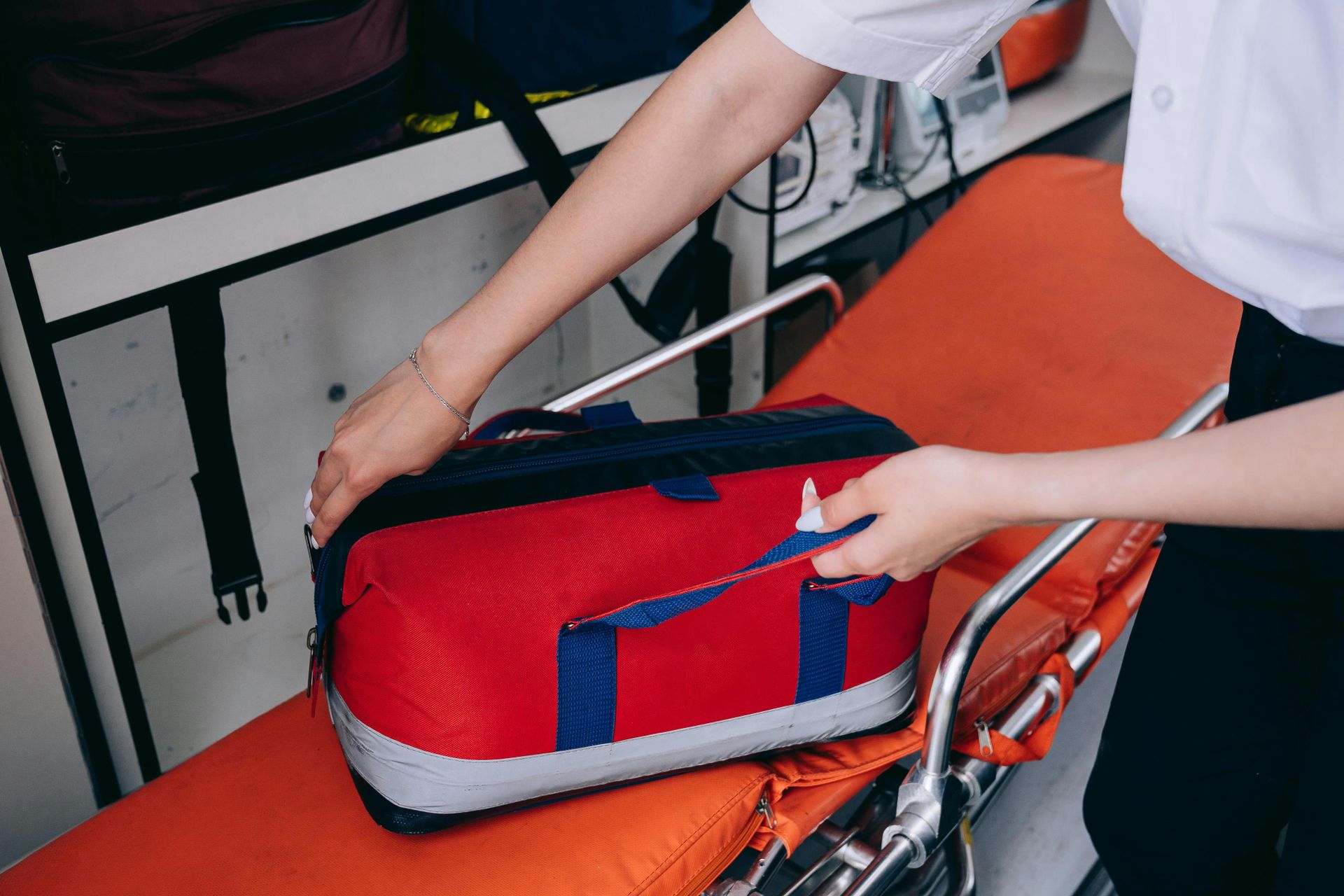
Every home should have an easily accessible first aid kit. Essential items include bandages, gauze, adhesive tape, antiseptic wipes, pain relievers, tweezers, scissors, a thermometer, instant cold packs, and a CPR breathing mask. Check supplies regularly and promptly replace any expired or used items as needed.
Control Bleeding Quickly
When treating a bleeding wound, apply firm, direct pressure using a clean cloth or bandage. If possible, raise the injured area above heart level to help reduce blood flow. If bleeding continues or becomes severe, seek immediate medical attention.
Know How to Treat Burns
For minor burns, cool the affected area under running water or apply a cool, damp cloth for several minutes. Avoid using ice or applying creams directly to the burn. Severe burns require immediate medical care, and any blisters should be left intact to prevent infection.
Recognize and Respond to Choking
Choking can quickly become life-threatening, especially for children. If a person cannot breathe, speak, or cough, act immediately by performing appropriate choking-relief techniques and contacting emergency services. Early intervention can prevent serious complications.
Stay Calm During Emergencies
Remaining calm allows you to think clearly and make better decisions. Assess the situation, identify any immediate dangers, and provide reassurance to the injured person. A calm response can significantly help reduce stress and improve outcomes until professional help arrives.
Treat Sprains and Strains Correctly
For sprains and strains, remember the R.I.C.E. method: Rest, Ice, Compression, and Elevation. Applying ice and reducing movement can help minimize swelling and discomfort. If pain is severe or mobility is limited, seek medical evaluation.
Continue Learning and Staying Prepared
First aid guidelines and medical recommendations can change over time. Regular training and refresher courses help keep your knowledge current. Teaching family members, including children, basic emergency procedures can also improve preparedness throughout the household.
Conclusion
Being prepared for emergencies helps protect the people who matter most. By learning essential first aid skills, maintaining a stocked first aid kit, and responding calmly under pressure, families can provide effective assistance and support until professional medical care becomes available.