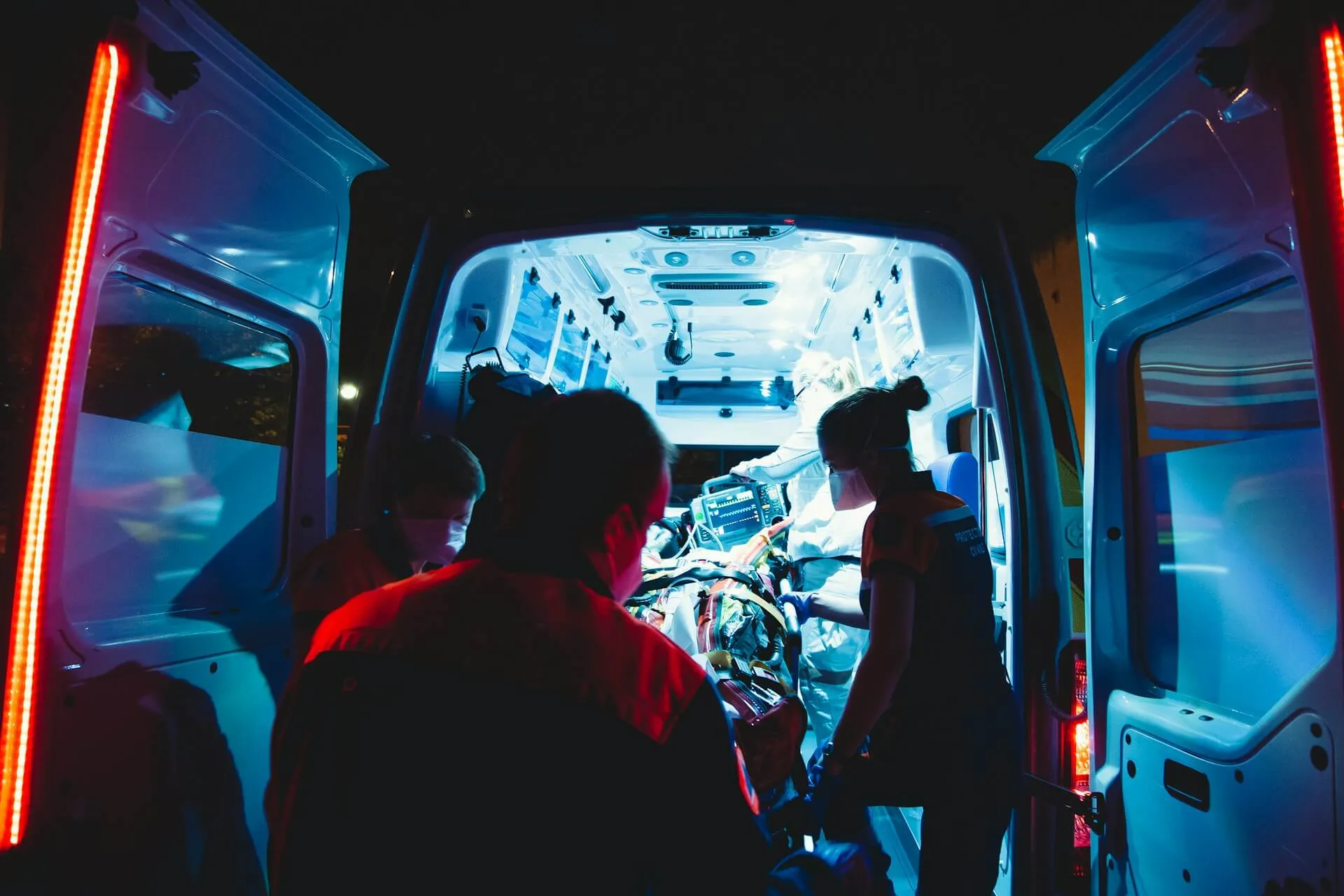
Key steps to take during a medical emergency
Essential actions to take in an emergency to stay calm and act fast.
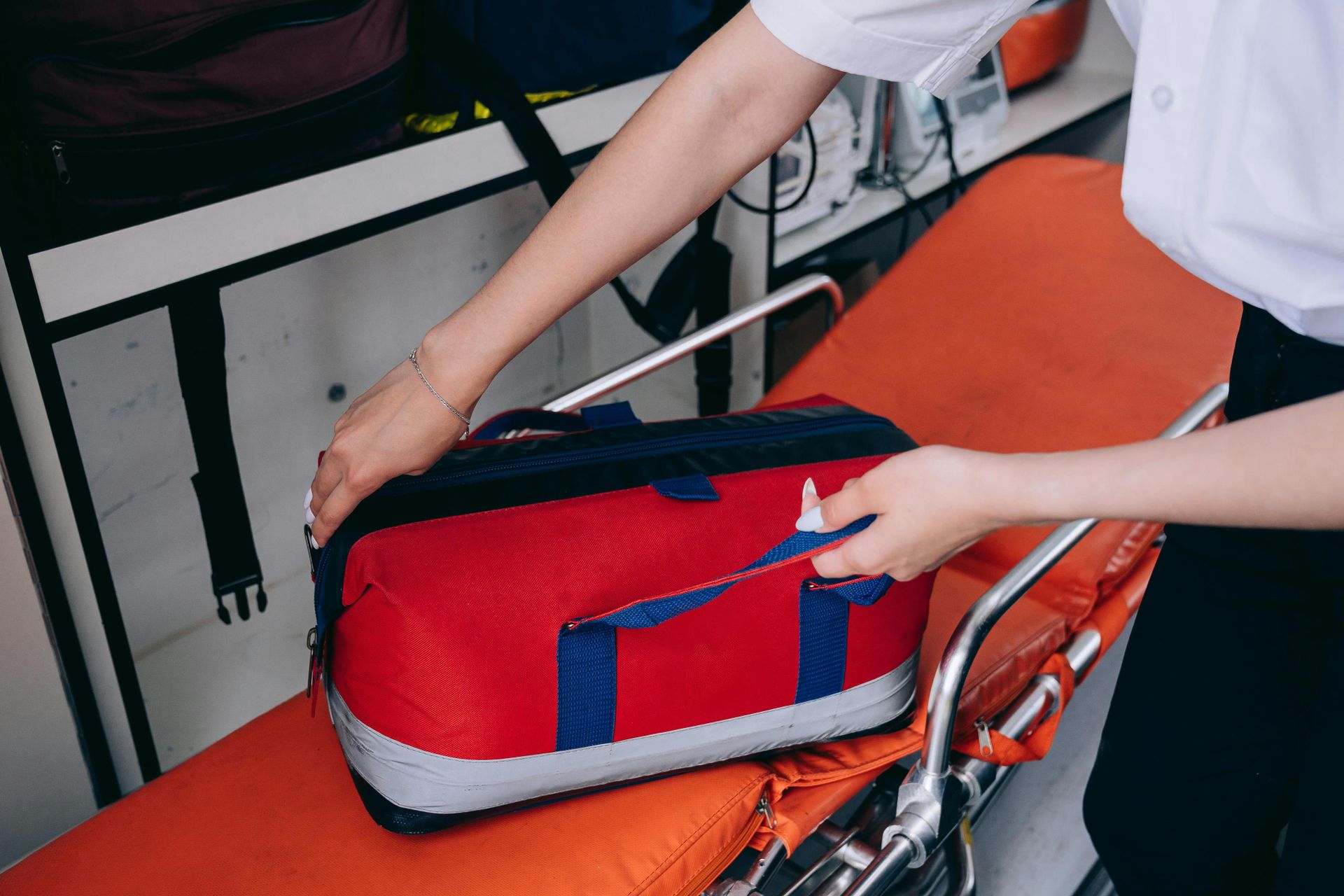
Responding to a medical emergency.
In an emergency, every second counts. Knowing the right steps to take can make all the difference in saving a life or minimizing harm. Here’s a quick and essential guide on what to do when faced with a medical emergency:
Stay Calm and Assess the Situation
The first and most important step is to stay calm. Panicking can cloud your judgment and make it harder to act. Assess the situation to understand the severity of the emergency. Is the person conscious? Are there signs of serious injury or distress? Make sure to gather all the necessary information quickly.
Call for Help
Dial emergency services immediately. In most countries, you can reach emergency medical services by calling 911 or your local emergency number. Provide the dispatcher with as much detail as possible, such as the person's condition, the type of emergency, and your location.
Perform Basic First Aid if Necessary
If trained, administer basic first aid. For example, perform CPR if the person is unresponsive and not breathing, or control bleeding with direct pressure. If you're unsure how to perform specific first aid techniques, it’s best to carefully follow the dispatcher’s instructions over the phone while waiting for help to arrive.
Ensure the Person’s Safety
If the environment is unsafe (such as a fire or traffic), move the person to a safer location, if possible, without causing further injury. Prioritize their well-being, but don’t risk your own safety.
Monitor Vital Signs
Keep an eye on the person's breathing, heart rate, and level of consciousness. If they become unresponsive, continue performing CPR (if trained) and monitor their vital signs until help arrives.
Be Ready to Provide Information
When emergency responders arrive, be ready to give them any relevant information, including the person’s medical history, allergies, and any steps you've already taken (e.g., CPR, medication administered). This will help them provide the best possible emergency medical care.
Stay with the Person
Don’t leave the individual alone unless you absolutely need to move to a safer location. Keep them as comfortable as possible and reassure them that help is on the way.
Conclusion
Handling a medical emergency can be daunting, but with quick thinking, calmness, and the right actions, you can make a crucial difference. Make sure you’re equipped with basic first aid knowledge and always stay prepared for the unexpected.