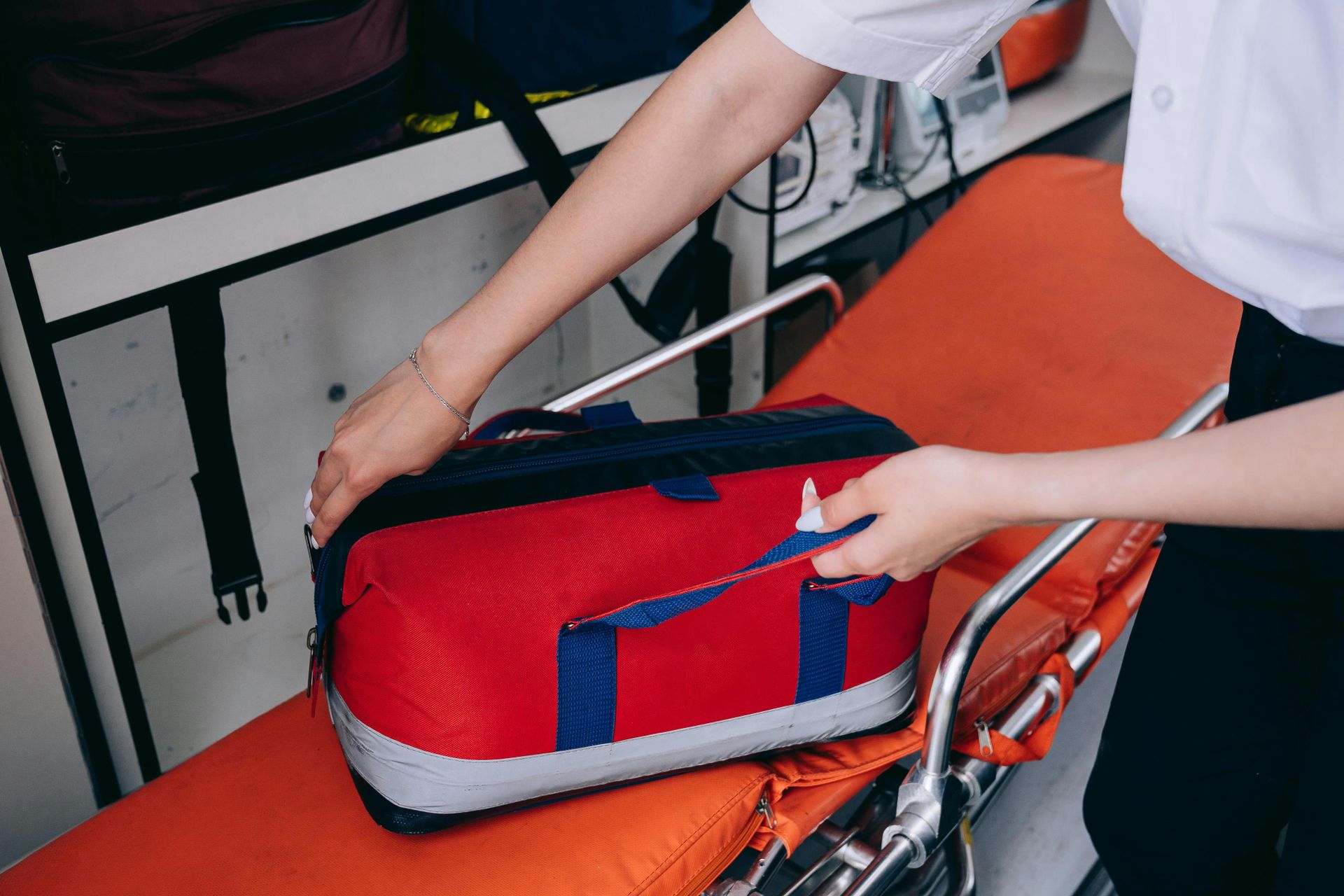
What to do during a medical emergency
Learn the critical steps to take before emergency help arrives.
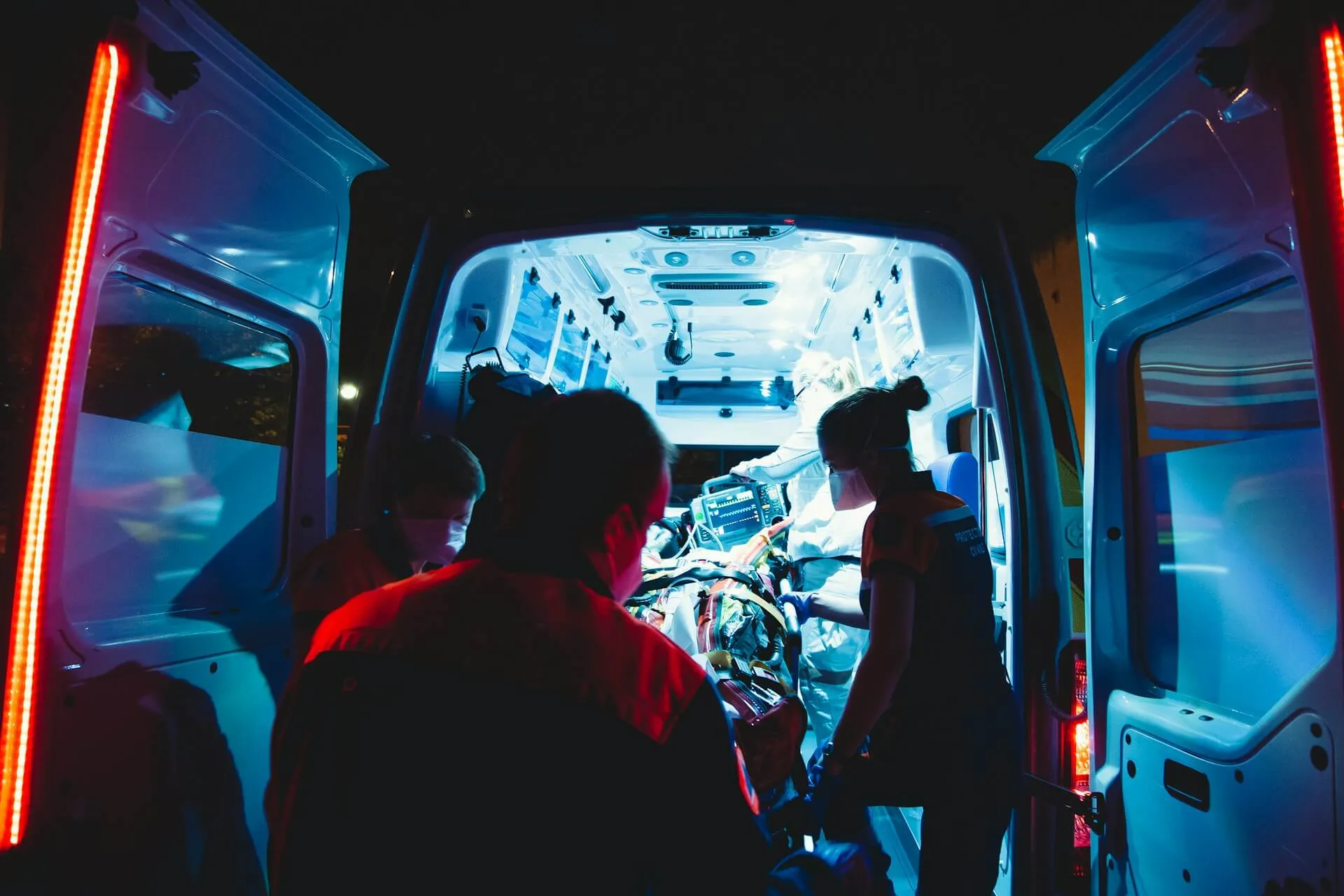
Essential actions to take during a medical emergency.
Medical emergencies can strike without warning, and knowing how to react can mean the difference between life and death. It’s crucial to stay calm, act swiftly, and know what steps to take to provide the best care until help arrives. Here’s exactly what you need to do during a medical emergency:
Stay Calm and Assess the Situation
The first thing to do in any emergency is to stay calm. Panicking will only make it harder to think clearly and make good decisions. Take a deep breath and assess the situation. Check if the person is conscious, breathing, and if there are any obvious injuries.
Call Emergency Services
Dial emergency services immediately. Provide clear and concise information about the situation. Include the exact location, the person’s condition, and any known medical history or allergies. The operator can give you instructions while you wait for help to arrive.
Perform Basic First Aid
While waiting for medical professionals, perform any necessary first aid. For minor injuries, clean the wound, apply a bandage, and elevate the affected area. For more serious conditions, such as bleeding, apply direct pressure to the wound. If the person is unresponsive but breathing, place them in the recovery position. If they stop breathing, begin CPR immediately.
Check for Medical ID or Information
If the person is unresponsive, check for any medical identification, such as a bracelet, necklace, or wallet card, which might indicate important health information like allergies, medical conditions, or medications. This information can be critical for emergency responders.
Follow Medical Guidance
Once emergency services are on the way, follow any instructions they give. If they ask you to perform certain tasks, such as administering CPR or using an AED (Automated External Defibrillator), do so as quickly and accurately as possible. If you don’t know how to use these devices, the emergency operator can guide you through it.
Avoid Moving the Person (Unless Necessary)
In certain situations, like suspected spinal injuries, you should avoid moving the injured person unless they are in immediate danger (e.g., from a fire or traffic). Moving them could worsen the injury. If you must move them, try to carefully support their neck and back and do so very gently.
Stay With the Person
Never leave the person alone. Stay by their side and offer reassurance. Provide comfort and keep them as calm as possible. Reassurance can help reduce panic and improve their chances of recovery.
Prepare for Arrival of Emergency Responders
When emergency services arrive, be ready to provide them with key information: the person’s medical history, allergies, current medications, and any treatments you’ve administered. This will help them provide the best possible care.
Stay Informed and Follow-Up
Once emergency medical personnel take over, follow up with family or friends to inform them of the situation. Keep in touch with the medical team for updates on the person’s condition and next steps.
By knowing what to do during a medical emergency, you can provide the most effective care and help ensure that the individual receives the attention they need in a timely manner. The faster and more efficient your response, the better the chances of a positive outcome. Always remember, staying calm and focused is the key to safely and effectively managing any medical emergency.